The Bob Hope Show hosted by Bob Hope, debuted on April 9, 1950. During the 1952-1953 season, NBC rotated with other variety shows in a Sunday night block known as "The Colgate Comedy Hour" (Sept. 1950 to Dec. 1955). Also known as, "The Chevy Show with Bob Hope." When the first special debuted in October of 1950 it was the most expensive television program made up to that point - costing an astronomical $1,500 a minute to produce. Bob Hope had his own television show and radio show at the same time. For the next three seasons, The Bob Hope Show was broadcast once a month on Tuesday nights, giving Milton Berle a week off. Bob ended his radio show in April, 1956. Bob Hope also had another show by a similar name, "The Bob Hope Show (All Star Revue)". In addition, he performed in "Specials" for many years. It is the longest running variety program in television's history with a record of 45 years of televised entertainment.
Follow a connection
What to watch after The Bob Hope Show
A series shortlist from the cached Film Atlas engine. The interactive map may include more titles or newer results. These are similarity matches, not a guarantee of age suitability.
Producers' Showcase is an American anthology television series that was telecast live during the 1950s in compatible color by NBC. With top talent, the 90-minute episodes, covering a wide variety of genres, aired under the title every fourth Monday at 8 p.m. ET for three seasons, beginning October 18, 1954. The final episode, the last of 37, was broadcast May 27, 1957.
Showcase Productions, Inc., packaged and produced the series, which received seven Emmy Awards, including the 1956 award for Best Dramatic Series.
Norby is an American sitcom television series that aired from January 5 until April 6, 1955 on NBC in color. RCA's color system wasn't used until the fall of 1954. This is the first color show that I'm aware of.
The New Phil Silvers Show is an American situation comedy starring comedian Phil Silvers which aired thirty episodes on CBS from September 28, 1963, to April 25, 1964, under the sponsorship of General Foods.
Stage Show was a popular music variety series on American television originally hosted on alternate weeks by big band leaders and brothers Tommy and Jimmy Dorsey. Produced by Jackie Gleason, the CBS-TV show included the first national television appearances by Elvis Presley.
The series began as a one-hour show on July 3, 1954 as a summer replacement for The Jackie Gleason Show. Gleason brought it back in the fall of 1955 as a half-hour show and scheduled it from 8–8:30 p.m. ET before his own program on Saturday nights.
In 1956, Jack Carter, a frequent guest, became the permanent host. The June Taylor Dancers made regular appearances. Bobby Darin made his national TV debut on the program in early 1956, singing "Rock Island Line".
The show's final telecast was September 18, 1956.
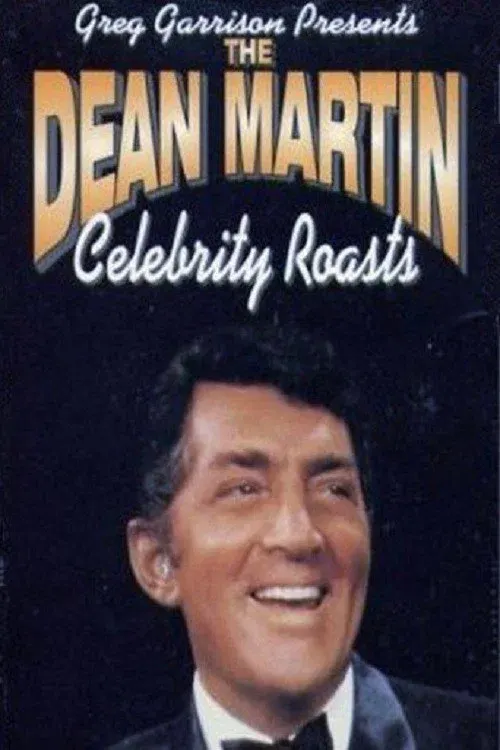
The Dean Martin Celebrity Roasts is a NBC television special show hosted by entertainer Dean Martin from 1974 to 1984. For a series of 54 specials and shows, Martin would periodically "roast" a celebrity. These roasts were patterned after the roasts held at the New York Friars' Club in New York City. The format would have the celebrity guest seated at a banquet table, and one by one the guest of honor was affectionately chided or insulted about his career by his fellow celebrity friends.
In 1973, The Dean Martin Show was declining in popularity. The final season of his variety show would be retooled into one of celebrity roasts, requiring less of Martin's involvement. For the 1973–1974 season, a new feature called “Man of the Week Celebrity Roast" was added to try to pick up the ratings. The roasts seemed to be popular among television audiences and are often marketed in post-issues as part of the official Dean Martin Celebrity Roasts and not The Dean Martin Show. After The Dean Martin Show was cancelled in 1974, NBC drew up a contract with Martin to do several specials and do more roast specials. Starting with Bob Hope in 1974, the roast was taped in California and turned out to be a hit, leading to many other roasts to follow.
Film Atlas combines story similarity, series metadata and TMDB relationship signals. Shared networks can support a match; audience safeguards help avoid poor fits. The explanations above come from the engine’s recorded evidence—not invented reviews.
A similarity match is different from a quality rating. Use the map to explore the connections and decide what fits your mood.