Historian Simon Schama recounts the story of eight moments of high drama in the making of eight artistic masterpieces.
Created bySimon Schama
Follow a connection
What to watch after Simon Schama's Power of Art
A series shortlist from the cached Film Atlas engine. The interactive map may include more titles or newer results. These are similarity matches, not a guarantee of age suitability.
Simon Schama explores the life and times of William Shakespeare to shed a new and fascinating light on some of the greatest plays ever written. He asks the question: "What came first, Englishness, or Shakespeare's idea of it?" and produces a persuasive argument in favour of the latter.
In his most personal project to date, Simon Schama looks back at the dramatic history that has played out in his lifetime. Best known for writing history, he has lived a fair bit of it too. Born in 1945, on the night of the bombing of Dresden, Simon grew up as part of a generation determined to rebuild the world from the ashes of war. In this film, he reveals the stories of artists and writers who have been at the forefront of the fight for truth and democracy, often at great personal cost.
Nigel Spivey reveals how the images which surround us today come from the ancient world. It's an epic journey spanning five continents and a hundred thousand years of history.
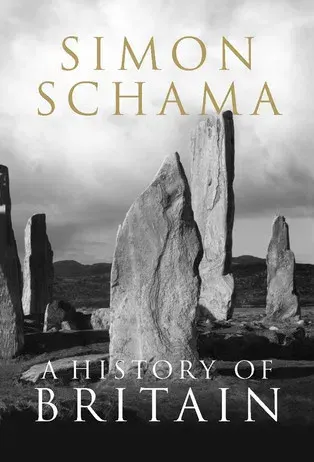
Stretching from the Stone Age to the year 2000, Simon Schama's Complete History of Britain does not pretend to be a definitive chronicle of the turbulent events which buffeted and shaped the British Isles. What Schama does do, however, is tell the story in vivid and gripping narrative terms, free of the fustiness of traditional academe, personalising key historical events by examining the major characters at the centre of them. Not all historians would approve of the history depicted here as shaped principally by the actions of great men and women rather than by more abstract developments, but Schama's way of telling it is a good deal more enthralling as a result.
Schama successfully gives lie to the idea that the history of Britain has been moderate and temperate, passing down the generations as stately as a galleon, taking on board sensible ideas but steering clear of sillier, revolutionary ones. Nonsense. Schama retells British history the way it was--as bloody, convulsive, precarious, hot-blooded and several times within an inch of haring off onto an entirely different course. Schama seems almost to delight in the goriness of history. Themes returned to repeatedly include the wars between the Scots and the Irish and the Catholic/Protestant conflicts--only the Irish question remains unresolved by the new millennium. As Britain becomes a constitutional monarchy, Schama talks less of Kings and Queens but of poets and idea-makers like Orwell. Still, with his pungent, direct manner and against an evocative visual and aural backdrop, Schama makes history seem as though it happened yesterday, the bloodstains not yet dry.
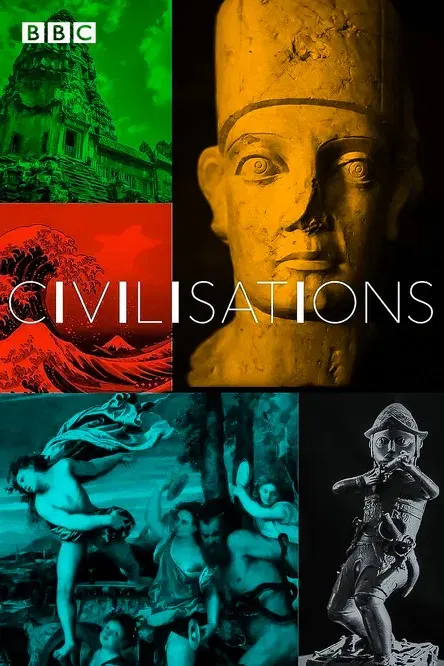
The story of art from the dawn of human history to the present day—for the first time on a global scale. Inspired by Civilisation, Kenneth Clark’s acclaimed landmark 1969 series about Western art, this series broadens the canvas to reveal the role art and the creative imagination have played across multiple cultures and civilizations.
From popular revolt to the obsession with the self, even to modern nationalism, Simon Schama explores the enduring and powerful legacy the Romantics have left on our modern world.
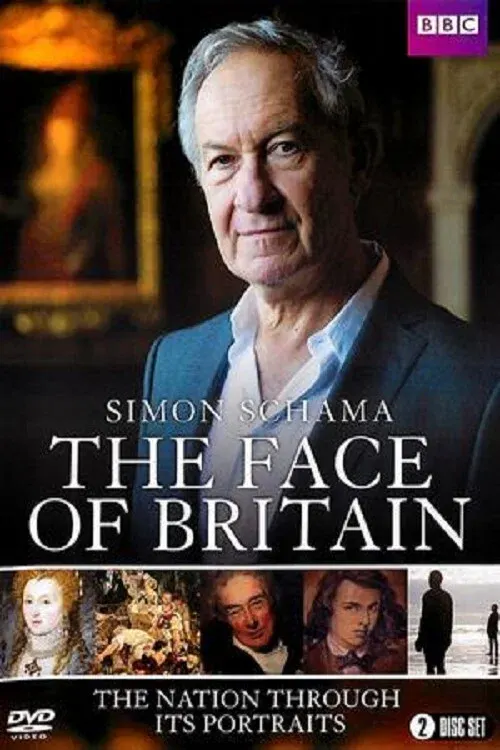
Simon Schama explores the history of British portraiture, revealing the stories behind the most compelling images in British art and examining the ways portraiture is used to make a statement.
Film Atlas combines story similarity, series metadata and TMDB relationship signals. Shared networks can support a match; audience safeguards help avoid poor fits. The explanations above come from the engine’s recorded evidence—not invented reviews.
A similarity match is different from a quality rating. Use the map to explore the connections and decide what fits your mood.