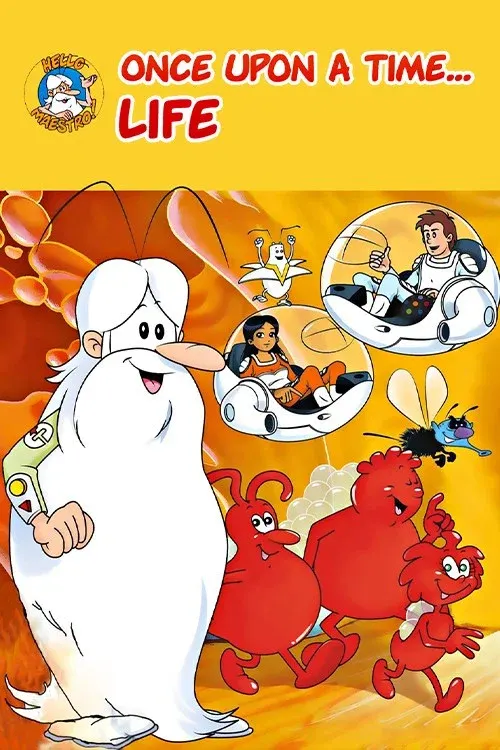
Attention please! Are you ready for an adventurous tour through the human body? With a lot of humour, our physical appearance is being introduced from head to toe along cells and organs in an educational way. The heart, blood, nerves and kidneys, each single one is a miracle which renders life possible.
Created byAlbert Barillé
Follow a connection
What to watch after Once Upon a Time... Life
A series shortlist from the cached Film Atlas engine. The interactive map may include more titles or newer results. These are similarity matches, not a guarantee of age suitability.
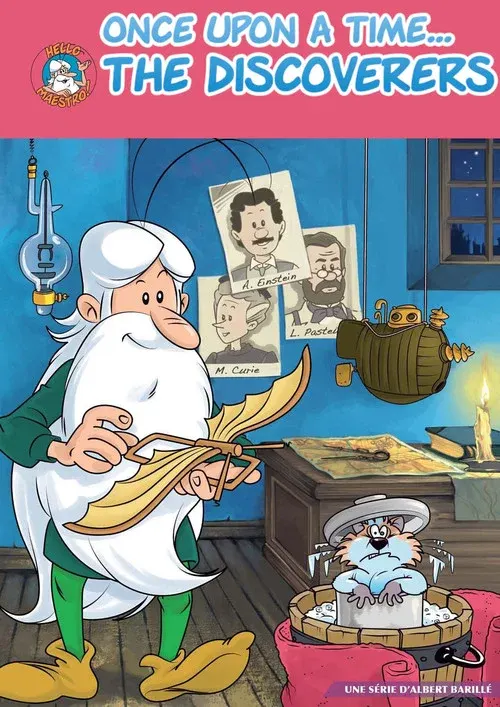
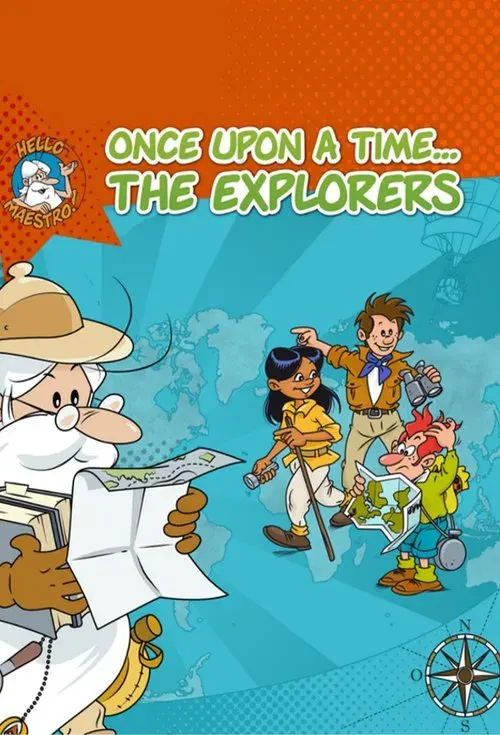
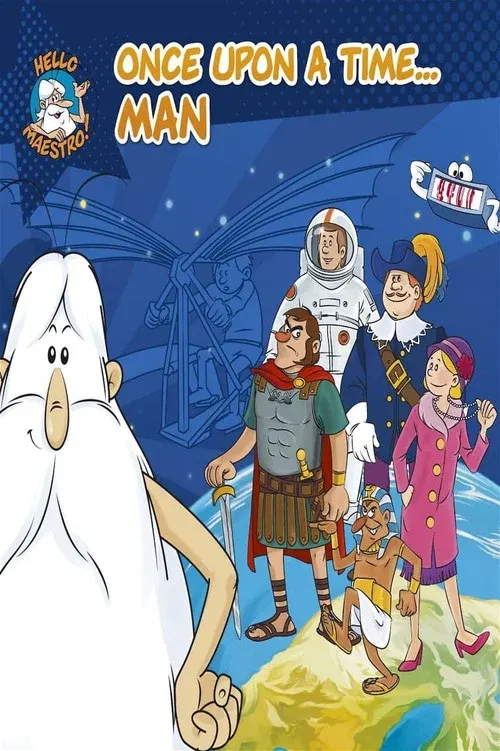
From flashes of genius to curious experiments, humankind's innovations lead explorers and inventors on a brilliant journey of discovery in this series.
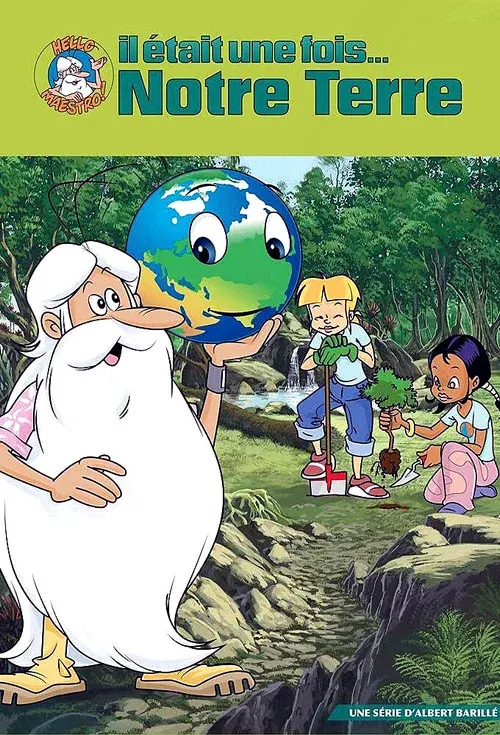
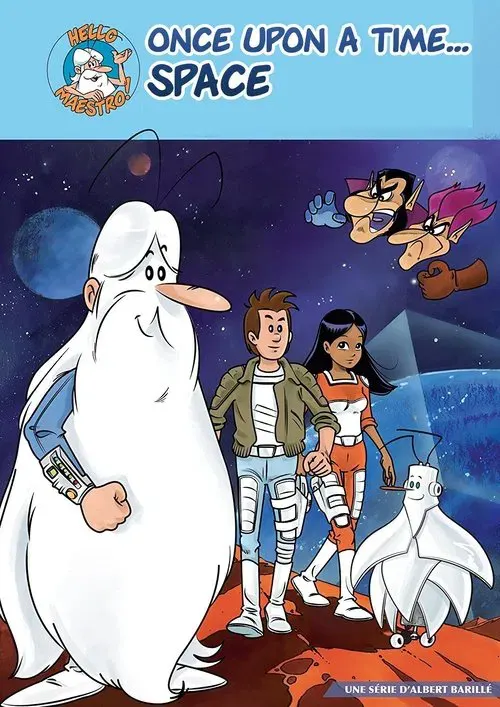
Teenagers, the internationally-recognized characters of the series, will be the heroes of adventures in which they will play an active role. They will be a force for change, faced with situations and problems they need to resolve. The series will be based on facts, yet still primarily entertainment. Through their actions, they directly affect their planet and the resources that must be used responsibly and are not inexhaustible. The series will also help younger audiences to understand that pollution, hunger and water shortages are realities with specific causes – rather than inevitable evils to be dreaded, they are battles to be won with solutions to be found.
During their perilous journeys through the vastness of the universe, Maestro and his many friends meet strange creatures from distant stars and face energy and ecological problems.
Why it connects
strong story and style similarity
the same creator
shared themes: il etait une fois and once upon a time
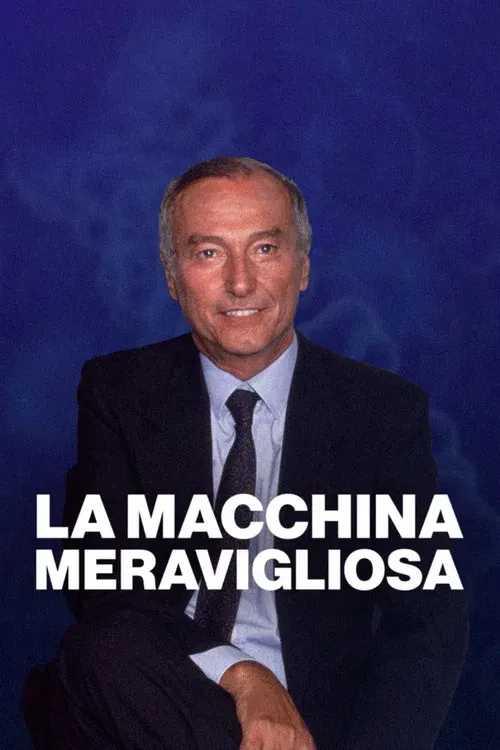
A long journey in 8 episodes to discover the human body, with Piero Angela who closely observes our organism, focusing each time on a theme: the eye, the ear, taste and smell, the stomach and the intestine, liver, bones, lungs and heart. How does our "wonder machine" work? To make each explanation direct and clear, the program uses films, animations and photographs developed with the scanning electron microscope.
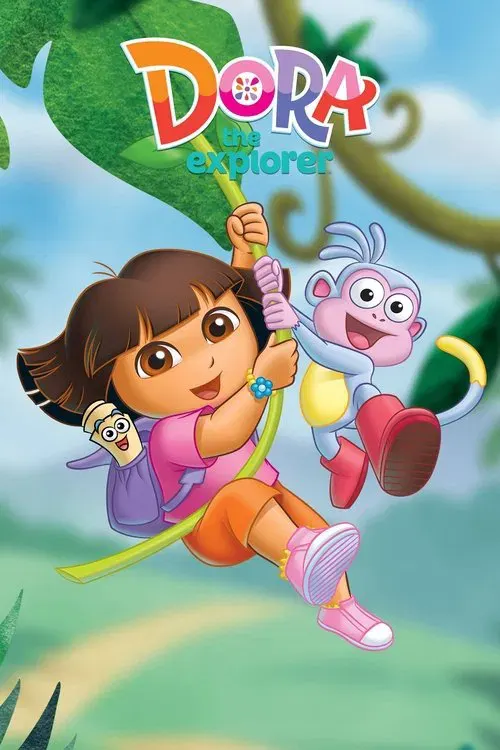
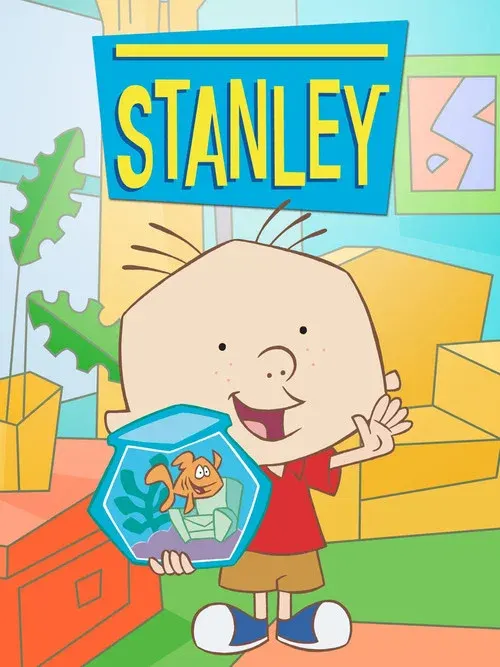
Six-year-old Stanley and his pet goldfish Dennis get up close and personal with the animal kingdom as they hop inside their Great Big Book of Everything to learn valuable lessons about themselves and the animals they encounter.
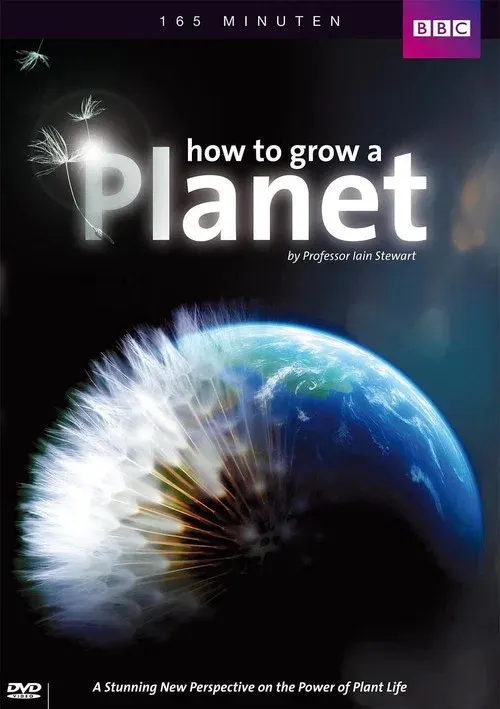
Geologist Iain Stewart explain in three stages of natural history the crucial interaction of our very planet's physiology and its unique wildlife. Biological evolution is largely driven bu adaptation to conditions such as climate, soil and irrigation, but biotopes were also shaped by wildlife changing earth's surface and climate significantly, even disregarding human activity.
Film Atlas combines story similarity, series metadata and TMDB relationship signals. Shared networks can support a match; audience safeguards help avoid poor fits. The explanations above come from the engine’s recorded evidence—not invented reviews.
A similarity match is different from a quality rating. Use the map to explore the connections and decide what fits your mood.