PBS' premier science series helps viewers of all ages explore the science behind the headlines. Along the way, NOVA demystifies science and technology, and highlights the people involved in scientific pursuits.
Follow a connection
What to watch after NOVA
A series shortlist from the cached Film Atlas engine. The interactive map may include more titles or newer results. These are similarity matches, not a guarantee of age suitability.
An NHK flagship program, centered around a diverse range of documentaries, delves into the dynamic shifts of society, politics and history, as well as the breathtaking wonders of the natural world.
Charles Tisseyre explores the world of science and technology through real-world stories. Each episode features reports delving into technological breakthroughs and developments in scientific research, environmental issues, space exploration, as well as health and medicine.
Exhaustive 13-part survey of the television medium from its hesitant beginnings in the 1920s to the multi-million dollar extravaganzas of today and the cable and satellite technologies of the future [relative to 1985]. Tackling the medium as a worldwide phenomenon, the series examines each of the principal areas of programming - news, drama, documentaries, and light entertainment - and the unique impact of "live" coverage.
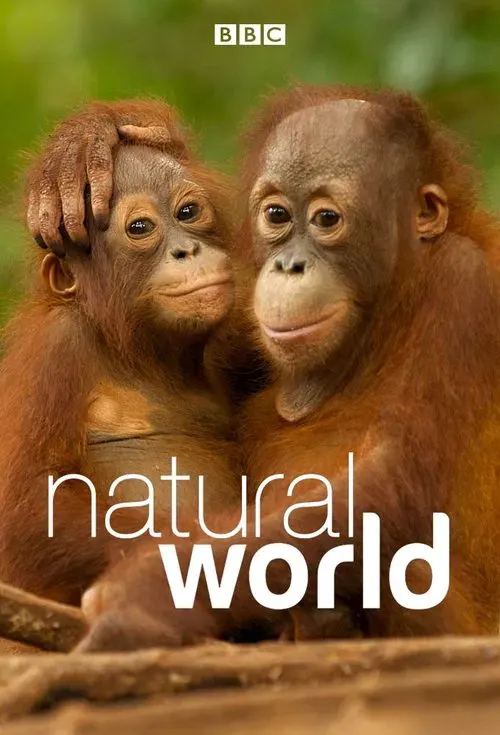
Natural World is a nature documentary television series broadcast annually on BBC Two and regarded by the BBC as its flagship natural history brand. It is currently the longest-running series in its genre on British television, with more than 400 episodes broadcast since its inception in 1983.
Natural World is produced by the BBC Natural History Unit in Bristol, but individual programmes can be in-house productions, collaborative productions with other broadcasters or films made and distributed by independent production companies and purchased by the BBC. Natural World programmes are often broadcast as PBS Nature episodes in the USA. Since 2008, most Natural World programmes have been shot and broadcast in high definition.
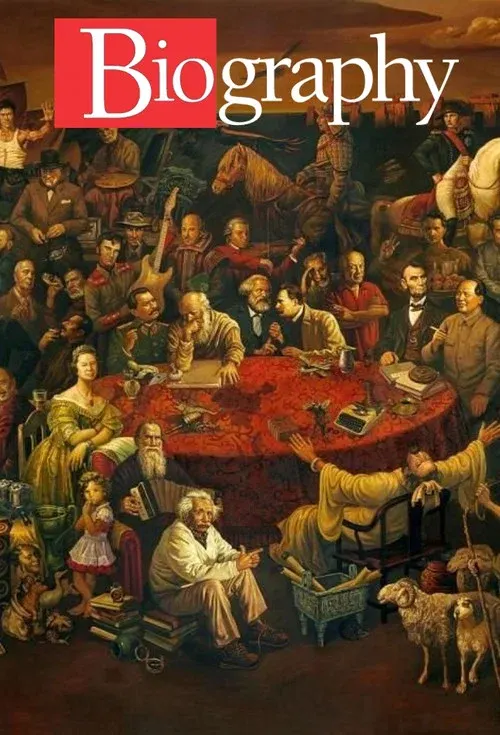
Biography is a documentary television series. It was originally a half-hour filmed series produced for CBS by David Wolper from 1961 to 1964 and hosted by Mike Wallace. The A&E Network later re-ran it and has produced new episodes since 1987. The older version featured historical figures such as Helen Keller and Mark Twain, or long-dead entertainment figures such as Will Rogers or John Barrymore. The A&E series has placed the emphasis on such people as Marilyn Monroe, Elvis Presley, Plácido Domingo, Freddie Mercury, Jacqueline Kennedy Onassis, Eric Clapton, Pope John Paul II, Gene Tierney, Selena, Diego Rivera, Mao Zedong and Queen Elizabeth II, and fictional characters like The Phantom, Superman, Hamlet, Betty Boop, and Santa Claus. The program ended up profiling enough figures that in 1999, A&E spun it off into an entire network, The Biography Channel.
Can you tell the difference between fact and fiction? Several stories of strange, mysterious and incredible occurrences are chronicled during each episode. It is up to the viewer to decide which stories actually happened and which were completely fabricated by the show’s writers. The answer is revealed by Jonathan Frakes at the conclusion of each episode.
Film Atlas combines story similarity, series metadata and TMDB relationship signals. Shared networks can support a match; audience safeguards help avoid poor fits. The explanations above come from the engine’s recorded evidence—not invented reviews.
A similarity match is different from a quality rating. Use the map to explore the connections and decide what fits your mood.