Mystery! is an episodic television series that debuted in 1980 in the USA. It airs on PBS and is produced by WGBH. The show has brought a large number of detective series and television movies—most of them British productions from the BBC or the ITV companies and usually adapted from mystery fiction literary sources—to air on American television. In 2002, they added an American-produced series based on the novels of Tony Hillerman to their roster.
Follow a connection
What to watch after Masterpiece Mystery
A series shortlist from the cached Film Atlas engine. The interactive map may include more titles or newer results. These are similarity matches, not a guarantee of age suitability.
Search is an American science fiction series that aired on Wednesday nights on NBC at 10 pm ET, from September 1972 to August 1973. It ran for 23 episodes, not including the two-hour pilot film originally titled Probe. When picked up for series production, the title had to be changed because Probe was the name of an existing PBS series. In the UK the series aired on BBC 1 under the title Search Control.
The show was created by Leslie Stevens, and produced by Leslie Stevens, Robert Justman, John Strong and Tony Spinner. The high concept was described as "science fiction in today's world" and the episodes featured many high-tech elements which are considered common in current science fiction shows.
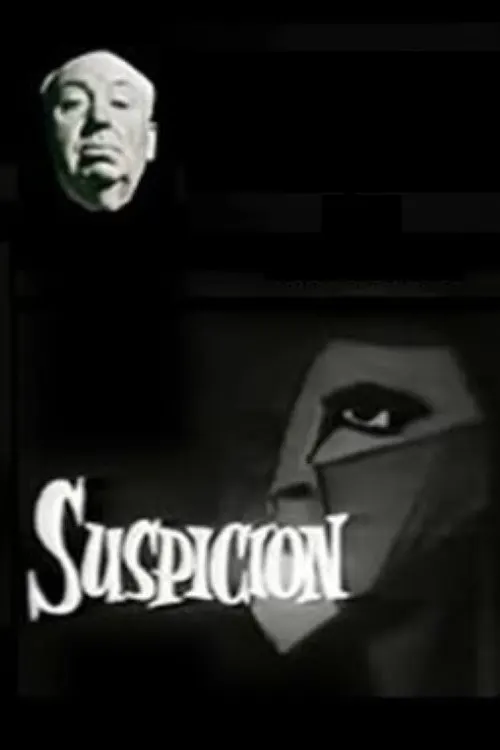
Suspicion is the title of an American television mystery drama series which aired on the NBC from 1957 through 1959. The executive producer of Suspicion was film director Alfred Hitchcock.
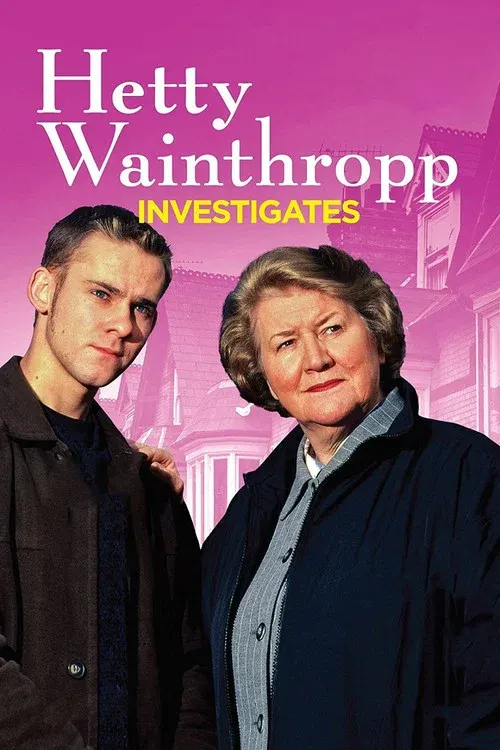
Instead of spending her golden years lying down, the indomitable Hetty Wainthropp found her calling late in life. Combining common sense, her husband, and her pocketbook, this senior sleuth takes on all the cases the police deem too minor.
The Chevy Mystery Show is an American television anthology series featuring a different mystery each week that aired on NBC in 1960 as a summer replacement.
Film Atlas combines story similarity, series metadata and TMDB relationship signals. Shared networks can support a match; audience safeguards help avoid poor fits. The explanations above come from the engine’s recorded evidence—not invented reviews.
A similarity match is different from a quality rating. Use the map to explore the connections and decide what fits your mood.