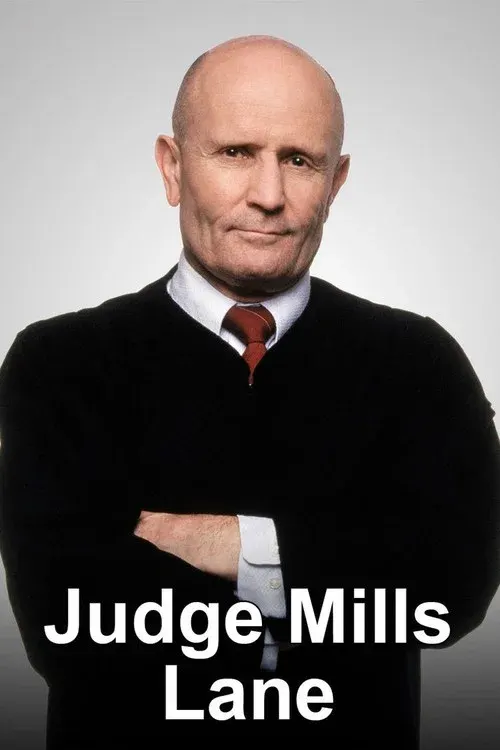
Judge Mills Lane is an American television series and arbitration-based reality court show that ran in first-run syndication from August 17, 1998 to September 7, 2001. Reruns later aired on The National Network. The show was produced by John Tomlin and Bob Young for Hurricane Entertainment Corporation, and distributed by Rysher Entertainment.
The show's judge was Mills Lane. Mills Lane was previously a well-known professional boxing referee, as shown in the show's intro; "he's been a boxer, a lawyer, a prosecutor, and a referee." The intro also declared Lane to be "America's Judge." Lane uses his catchphrase "Let's get it on!" at the beginning of each case, and occasionally when someone states something that is either quite obvious or tried to deceive him, he usually states "I may have been born at night, but I wasn't born last night!"
Follow a connection
What to watch after Judge Mills Lane
A series shortlist from the cached Film Atlas engine. The interactive map may include more titles or newer results. These are similarity matches, not a guarantee of age suitability.
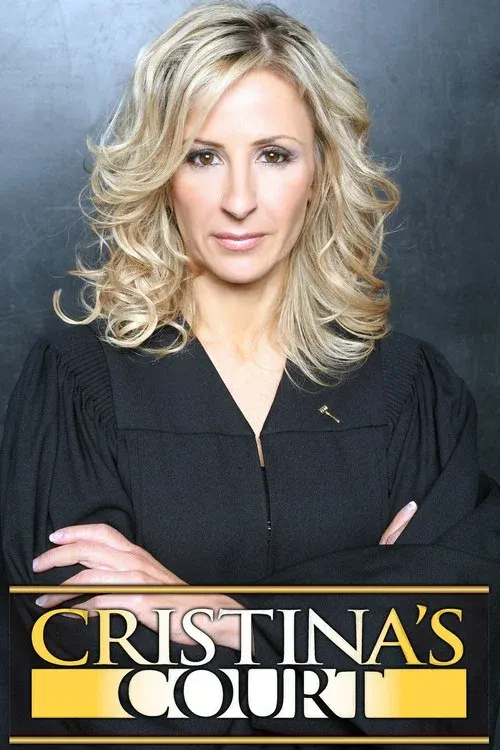
A courtroom reality show where plaintiffs and defendants share their stories before Cristina Pérez in hopes of resolving disputes. Cristina is bilingual and seeks to counsel as well as rule on cases before her in the courtroom.
Caso Cerrado, formerly Sala de Parejas, is a Spanish-language court show broadcast by Telemundo in which Cuban-born lawyer Ana María Polo arbitrates cases for volunteer participants.
Airline is an American reality television series that showcases the daily happenings of passengers, ground workers and on-board staff members of Southwest Airlines. The series debuted on January 5, 2004 on A&E and ran for three seasons.
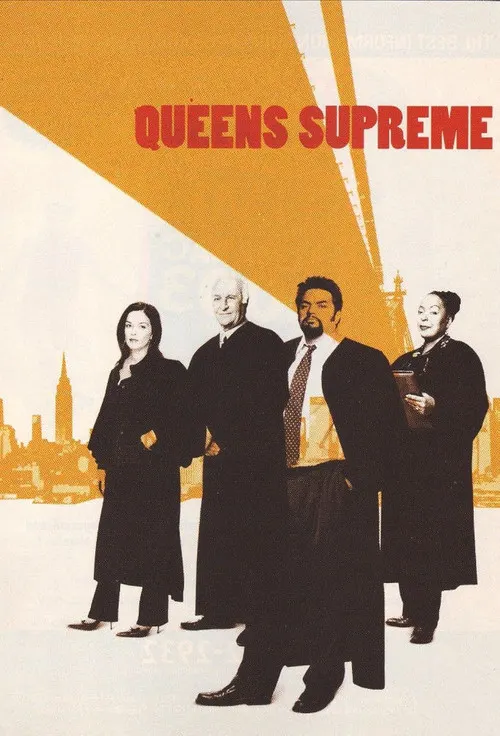
Queens Supreme is an American courtroom dramedy television series which aired on CBS in January 2003. The series starred Oliver Platt in his first major television role as New York judge Jack Moran who, with his equally eccentric and colorful as colleagues, preside over court cases as the real-life Queens Supreme Court in Long Island City, Queens. The series had a strong cast and considerable financial backing, especially from Julia Roberts's Shoelace Productions, Spelling Television and Revolution Studios, however poor ratings forced its cancellation after three episodes.
The idea for the series came about when two New York attorneys, twin brothers Dan and Peter Thomas, were discussing courtroom stories based on their shared experiences in Queens while on a plane flight to California in 2001. One of the passengers, a Hollywood producer, was sitting next to them and mentioned that they could be the basis for a television series. Indeed, the producer brought the idea to screenwriter Kevin Fox who later successfully pitched it to CBS. Fox was initially hesitant in becoming involved, feeling there were too many courtroom dramas already, but agreed after spending time at the New York Supreme Court himself.
Bette is a CBS television show which premiered on October 11, 2000, and was the debut of the entertainer Bette Midler in a lead TV series role. A "one-season wonder", 16 episodes were aired on CBS, with its final telecast on March 7, 2001. Eighteen episodes in total were produced, with the final two broadcast on HDTV simulcasting and in foreign markets. Bette was created by Jeffrey Lane, with Midler serving as one of the executive producers.
Life's Work is an American situation comedy series that aired from September 1996 to June 1997 on the ABC channel; the show stars Lisa Ann Walter as Lisa Ann Minardi Hunter, an assistant district attorney in Baltimore.
Lisa Ann always wanted to practice law since she was young because she always argued with her parents. She also had a basketball coach husband named Kevin Hunter who served as the patriarch of the family. Together, they raised a 7-year-old daughter Tess and a toddler son named Griffin. During the entire run of the series, a simple electric guitar instrumental solo was used as the show's opening theme. Laugh tracks were used in all episodes in the sitcom as it was filmed "live before a studio audience."
Film Atlas combines story similarity, series metadata and TMDB relationship signals. Shared networks can support a match; audience safeguards help avoid poor fits. The explanations above come from the engine’s recorded evidence—not invented reviews.
A similarity match is different from a quality rating. Use the map to explore the connections and decide what fits your mood.