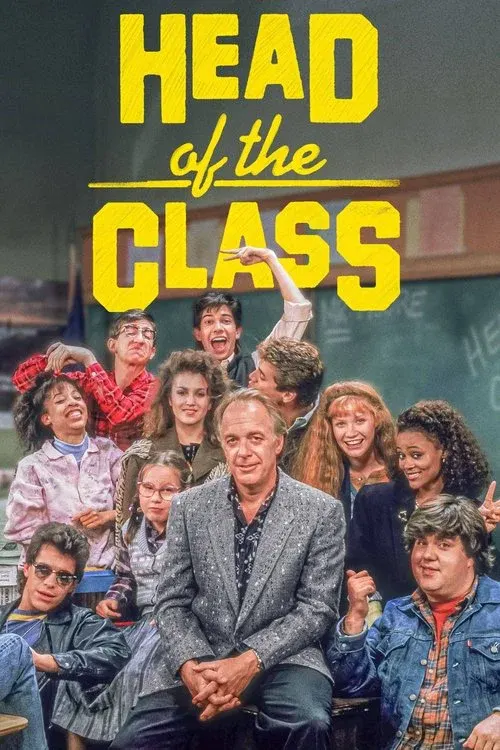
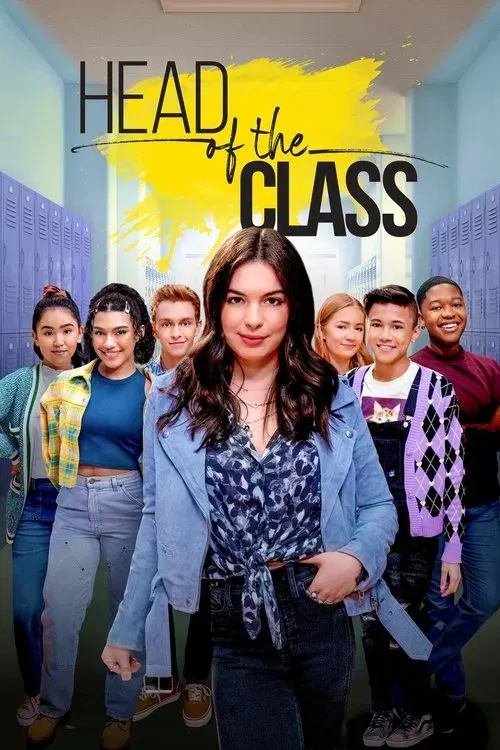
Head of the Class is an American sitcom that ran from 1986 to 1991 on the ABC television network.
The series follows a group of gifted students in the Individualized Honors Program at the fictional Monroe High School in Manhattan, and their history teacher Charlie Moore. The program was ostensibly a vehicle for Hesseman, best known for his role as radio DJ Dr. Johnny Fever in the sitcom WKRP in Cincinnati. Hesseman left Head of the Class in 1990 and was replaced by Billy Connolly as teacher Billy MacGregor for the final season. After the series ended, Connolly appeared in a short-lived spin-off titled Billy.
The series was created and executive produced by Rich Eustis and Michael Elias. Rich Eustis had previously worked as a New York City substitute teacher while hoping to become an actor.
Created byRich Eustis
Follow a connection
What to watch after Head of the Class
A series shortlist from the cached Film Atlas engine. The interactive map may include more titles or newer results. These are similarity matches, not a guarantee of age suitability.
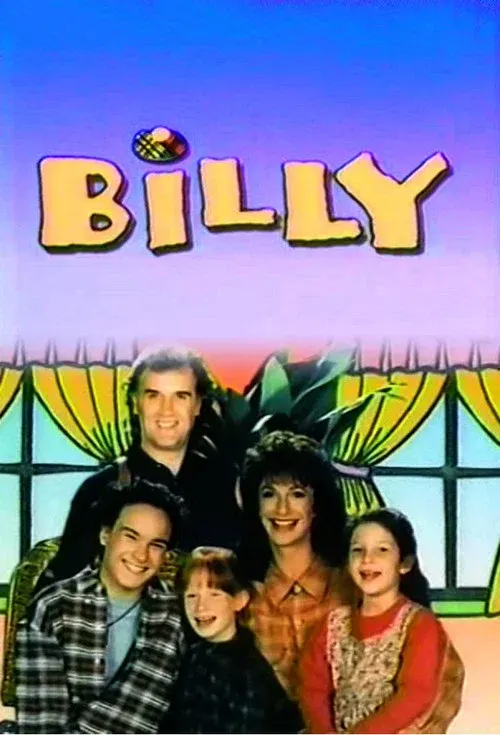
Billy is an American situation comedy that aired on ABC for half a season from January to May 1992. A spin-off of Head of the Class, the series stars Billy Connolly as Billy MacGregor, a Scottish teacher who moves to America in order to build a new life for himself.
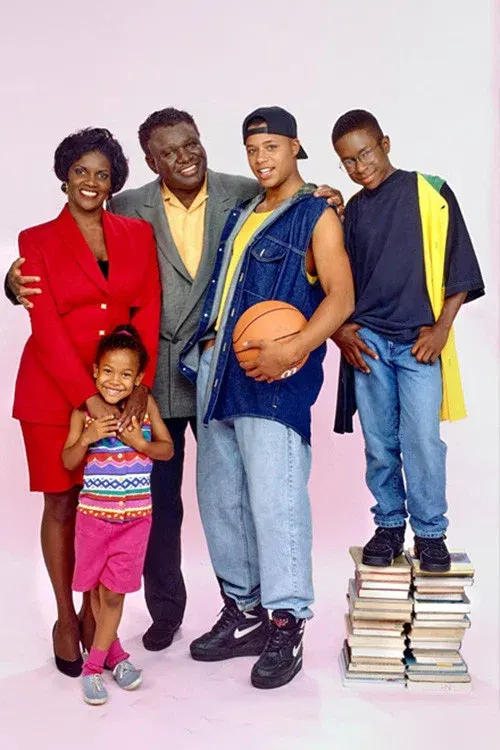
Tall Hopes is a short-lived summer comedy series that aired on CBS in 1993. It centers on a smart 14-year-old black kid named Ernest Harris struggling to get as much family attention as his 16-year-old brother, Chester, a high school basketball star.
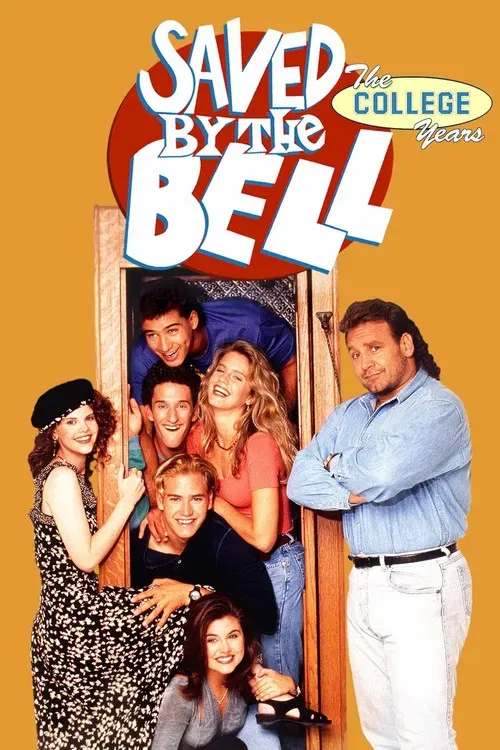
The gang from Bayside High is leaving home and heading to the campus of California University for four years of new challenges, new faces and wild, new adventures.
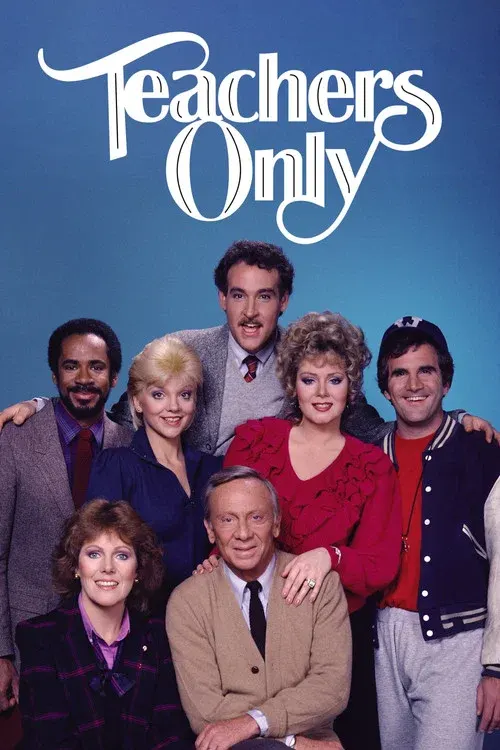
Teachers Only is an NBC television sitcom centered around the faculty of a high school; in the first season the school was Millard Fillmore High in Los Angeles, but in the second it is Woodrow Wilson High in New York with a changed cast. In both seasons Norman Fell played Principal Ben Cooper, but Lynn Redgrave's character, Diana Swanson, who had been an English teacher in the first season, became a guidance counselor in the second season.
Redgrave and Fell were already established names when this show aired, but two of the supporting stars in the second season, Jean Smart would go on, three years later, to play her best known role, that of interior design studio receptionist Charlene Frazier Stillfield on the long running show, Designing Women. Also, Jean's co-star Teresa Ganzel became well known for her many game show appearances in the 1980s as well as her appearance in the comedic miniseries, Fresno.
This show ran for only two seasons, in 1982 and 1983.
Making the Grade was a short-lived American sitcom which aired on CBS from April 5 until May 10, 1982. It starred James Naughton, Graham Jarvis, Alley Mills, Steven Peterman, and boasted the first TV series roles for Philip Charles MacKenzie and George Wendt. It was set at Franklin High School in St. Louis, and aired as a part of CBS' Monday night comedy lineup.
Among those shown were Harry Barnes, the Dean of Boys, Assistant Principal Jack Felspar, Drama teacher Sara Conover, and Physical education teacher Gus Bertoia.
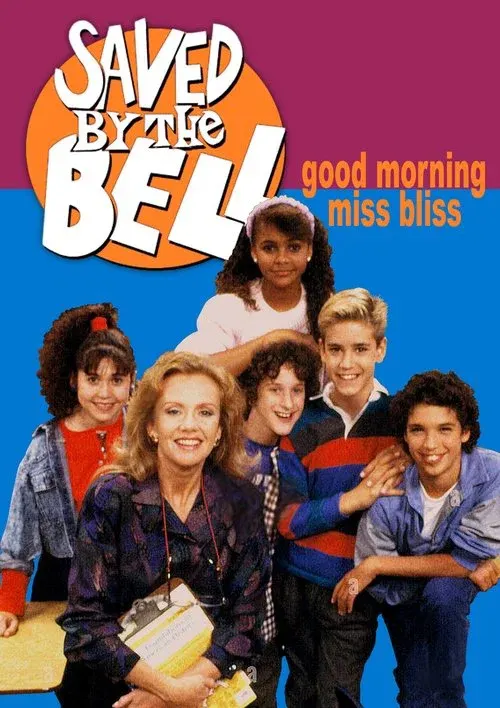
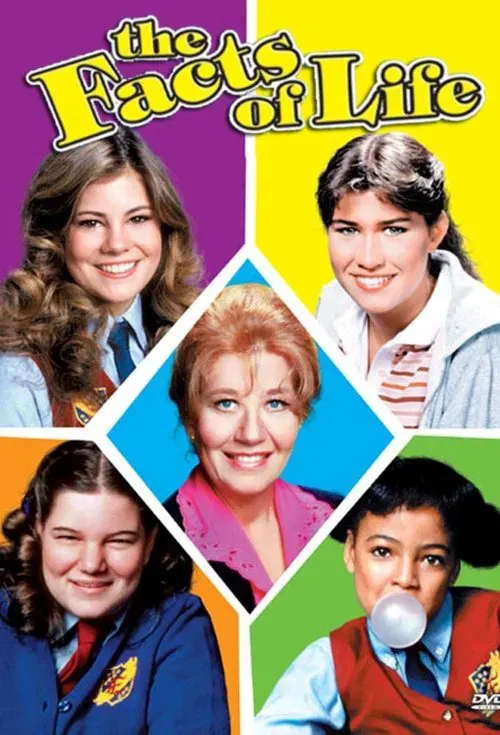
Mrs. Edna Garrett, housemother and dietitian at the Eastland School, teaches a group of girls in her charge how to solve those problems that every teenager has to face.
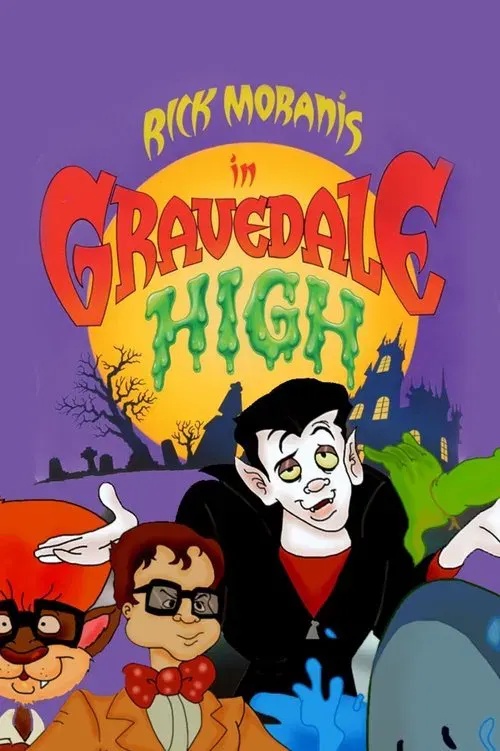
Human teacher Max Schneider has unwittingly taken a job at Gravedale High, a school for monsters, near the city of Midtown. Schneider, the only human in the school, presides over a group of ghoulish teenagers that are latest-generation versions of classic movie monsters. Most of Schneider's students are either disruptive, uninterested, and/or unduly self-preoccupied in school, and the class is generally considered disreputable if not uncontrollable (not unlike "the Sweathogs" in Welcome Back, Kotter), the implication being Schneider was hired to teach the class because no monster teacher would take the job.
Film Atlas combines story similarity, series metadata and TMDB relationship signals. Shared networks can support a match; audience safeguards help avoid poor fits. The explanations above come from the engine’s recorded evidence—not invented reviews.
A similarity match is different from a quality rating. Use the map to explore the connections and decide what fits your mood.