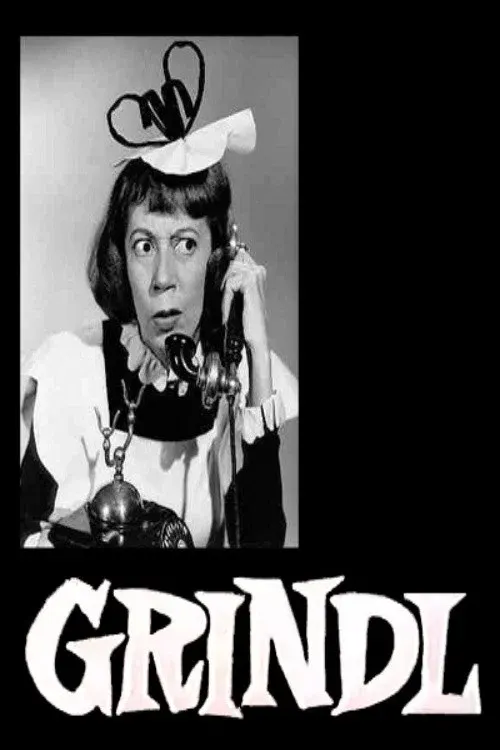
Grindl is an American situation comedy that began in the fall of 1963 on NBC, originally sponsored by Procter & Gamble. The show, starring Imogene Coca in the title role, lasted for one season.
Created byDavid Swift
Follow a connection
What to watch after Grindl
A series shortlist from the cached Film Atlas engine. The interactive map may include more titles or newer results. These are similarity matches, not a guarantee of age suitability.
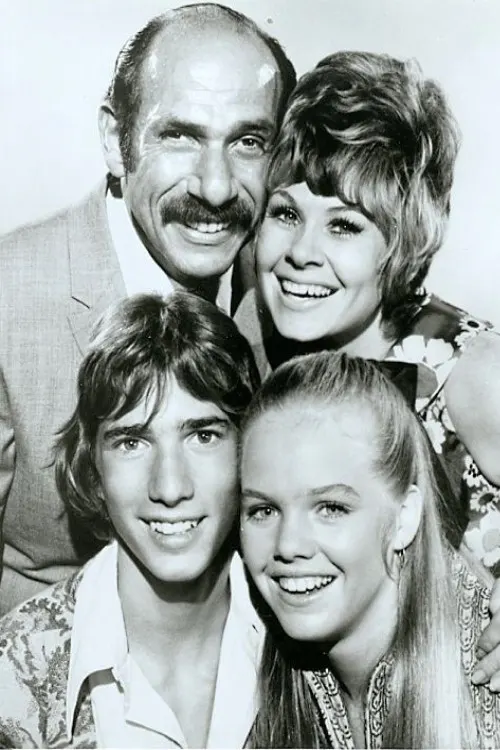
Arnie is a television sitcom that ran for two seasons on the CBS network. It stars Herschel Bernardi, Sue Ane Langdon, and Roger Bowen.
Bernardi played the title character, Arnie Nuvo, a longtime blue collar employee at the fictitious Continental Flange Company, who overnight was promoted to an executive position. The storylines mainly focused on this fish out of water situation, and on Arnie's sometimes-problematic relationship with his well-meaning but wealthy and eccentric boss, Hamilton Majors Jr.. Because he still held his union card, Arnie could negotiate tricky management/labor situations that no one else could. Arnie's surname was presumably a pun on nouveau riche, and possibly also on Art Nouveau.
In addition to Bernardi, Bowen, and Langdon, cast members included Del Russel and Stephanie Steele as Arnie's son and daughter, Richard and Andrea; Elaine Shore as Arnie's secretary, Felicia; and Herb Voland as sour-tempered executive Neil Ogilvie.
In its first season, despite being the lead-in to The Mary Tyler Moore Show on Saturday nights and winning an Emmy nomination as best comedy series, Arnie received only fair Nielsen ratings. For its second season, in order to increase its viewership, CBS made a major cast change in the show's format. Charles Nelson Reilly joined the cast as Randy Robinson, a TV chef who called himself "The Giddyap Gourmet," apparently a reference to The Galloping Gourmet.
A showbusiness producer navigates the challenges of the entertainment industry while managing performers, developing acts, and helping friends and colleagues with their problems.
Camp Runamuck is an American sitcom which aired on NBC during the 1965-1966 television season. The series was created and executive produced by David Swift, and aired for 26 episodes.
Norby is an American sitcom television series that aired from January 5 until April 6, 1955 on NBC in color. RCA's color system wasn't used until the fall of 1954. This is the first color show that I'm aware of.
Needles and Pins is a 1973 United States comedic television series about a women's clothing manufacturer and his employees in New York City that aired from September 21, 1973 to December 28, 1973.
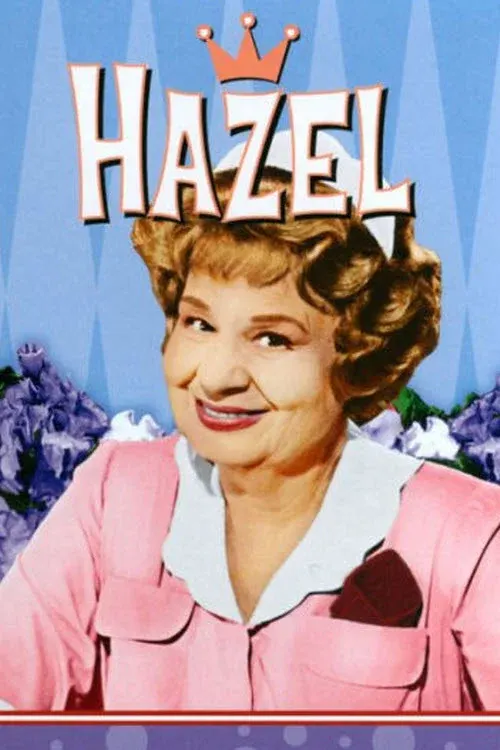
Hazel is an American sitcom about a fictional live-in maid named Hazel Burke and her employers, the Baxters. The five-season, 154-episode series aired in primetime from September 28, 1961 until April 11, 1966 and was produced by Screen Gems. The show aired on NBC for its first four seasons, and then on CBS for its final season. The first season, except for one color episode was in black and white, the remainder in color.
The show was based on the popular single-panel comic strip by cartoonist Ted Key, which appeared in the Saturday Evening Post.
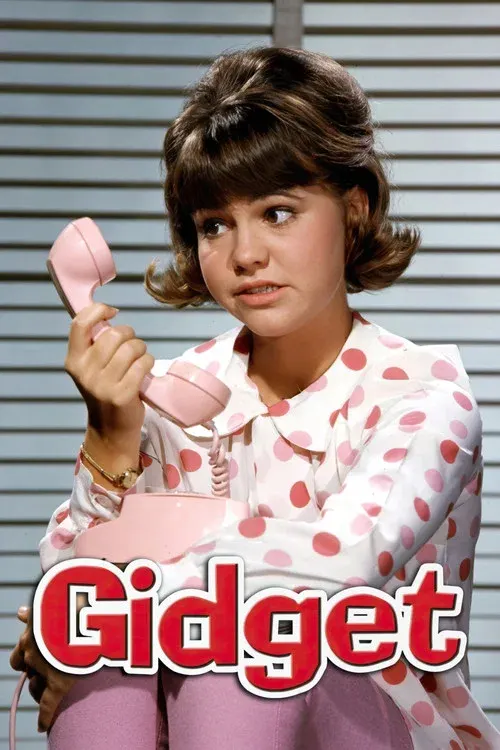
Gidget is an American sitcom about a surfing, boy-crazy teenager called "Gidget" and her widowed father Russ Lawrence, a UCLA professor. Sally Field stars as Gidget with Don Porter as father Russell Lawrence. The series was first broadcast on ABC from September 15, 1965 to April 21, 1966.
Gidget was among the first regularly scheduled color programs on ABC, but did poorly in the Nielsen ratings and was cancelled at the end of its first season.
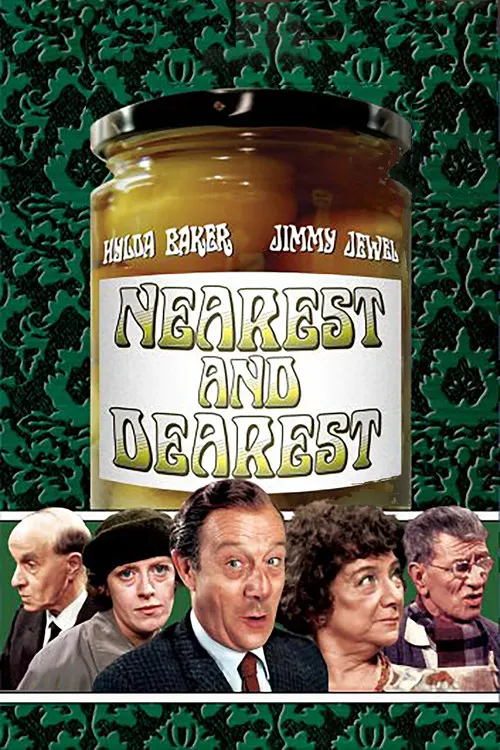
In Colne, Lancashire, in the North West of England, Nellie and Eli Pledge may be siblings, but their personalities are polar opposites. If not for inheritance, they would never even think of becoming business partners for five years.
The Gertrude Berg Show is an American sitcom that aired on CBS from October 4, 1961 to April 5, 1962. The series centers on Sarah Green, played by Gertrude Berg, a 62-year-old widow who enrolls to college.
Film Atlas combines story similarity, series metadata and TMDB relationship signals. Shared networks can support a match; audience safeguards help avoid poor fits. The explanations above come from the engine’s recorded evidence—not invented reviews.
A similarity match is different from a quality rating. Use the map to explore the connections and decide what fits your mood.