Dagsrevyen is the daily evening news programme for the Norwegian television channel NRK1, the main channel of the Norwegian Broadcasting Corporation, broadcast at 19:00. In 2007, the programme started airing simultaneously on NRK's dedicated news channel NRK2, but this arrangement ended that same year. Dagsrevyen's first newscast was broadcast in 1958 and it has kept its name since. It is Norway's most viewed programme, with daily ratings of around one million. Around 200 people are involved in its production, with headquarters at Marienlyst in Oslo.
Dagsrevyen aims at fewer, but longer and more extensive stories than its competitors. NRK hosts a tight network of domestic journalists in addition to international correspondence offices, though NRK also uses footage acquired through the European Broadcasting Union. There are always two anchors, one male and one female. The Saturday and Sunday broadcasts are dubbed Lørdagsrevyen and Søndagsrevyen, respectively.
The editor of television news is Solveig Tvedt and the lead news editor is Stein Bjøntegård.
Other news-related broadcasts on NRK include Dagsrevyen 21, Kveldsnytt, Standpunkt, RedaksjonEN, Urix and Dagsnytt, plus the radio shows Ukeslutt, Dagsnytt 18 and Her og Nå. NRK also broadcasts daily newscasts from most regional offices.
Follow a connection
What to watch after Dagsrevyen
A series shortlist from the cached Film Atlas engine. The interactive map may include more titles or newer results. These are similarity matches, not a guarantee of age suitability.
Melodi Grand Prix is an annual music competition organised by Norwegian public broadcaster Norsk Rikskringkasting. It determines the country's representative for the Eurovision Song Contest, and has been staged almost every year since 1960.
The festival has produced three Eurovision winners and nine top-five placings for Norway at the contest. However, Norway holds the record for the number of entries who have come last since entering Eurovision; 11 in all. Despite this, the competition still makes considerable impact on music charts in Norway, and in other Nordic countries, with the 2008 winner topping the Norwegian charts.
BBC's football highlights and analysis.
"The longest-running football television programme in the world" as recognised by Guinness World Records in 2015.
Join the crew of the Seaview aboard their super high-tech submarine, where no mission is too dangerous and no threat is too deadly, be it enemy agents, mad scientists, deadly sea creatures, or impending nuclear disaster.
The sparkling notes of a trumpet fanfare and the familiar logo of the sun alert viewers that it's time for CBS's Sunday morning staple. Journalist Jane Pauley helms the show, taking over hosting duties from Charles Osgood, who spent 22 years on the job. A morning talk show, this program airs at a different pace and focuses much of its attention on the performing arts. After a quick update of the day's news and national weather, correspondents offer longer-length segments on a variety of topics, from architecture to ballet to music to pop culture to politics.
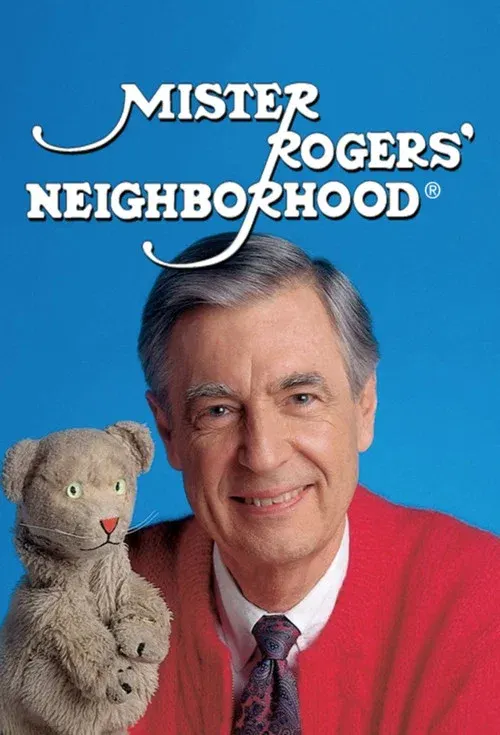
Mister Rogers' Neighborhood is an American children's television series that was created and hosted by namesake Fred Rogers. The series originated in 1963 as Misterogers on CBC Television, and was later debuted in 1966 as Misterogers' Neighborhood on the regional Eastern Educational Network, followed by its US network debut on February 19, 1968, and it aired on NET and its successor, PBS, until August 31, 2001. The series is aimed primarily at preschool ages 2 to 5, but has been stated by PBS as "appropriate for all ages". Mister Rogers' Neighborhood was produced by Pittsburgh, Pennsylvania, USA public broadcaster WQED and Rogers' non-profit production company Family Communications, Inc.; previously known as Small World Enterprises prior to 1971, the company was renamed The Fred Rogers Company after Rogers' death.
«Ta sjansen» was a popular Norwegian TV show broadcast on NRK from 1983 to 2002. It was a light-hearted, annual summer event filmed outdoors at the Homenkollen ski jump in Oslo.
The show featured contestants competing in two main types of humorous and often chaotic challenges: Homemade boats racing down a steep ramp into the water, and creative bicycles racing on floating docks.
Participants often wore silly costumes and built wildly imaginative contraptions, making the spectacle part game show, part variety show, and part slapstick comedy. «Ta sjansen» was known for its fun, festive atmosphere, and it became a beloved summer tradition in Norway. Though not officially competitive, winners were awarded prizes, and the emphasis was always on entertainment rather than serious sportsmanship.
Film Atlas combines story similarity, series metadata and TMDB relationship signals. Shared networks can support a match; audience safeguards help avoid poor fits. The explanations above come from the engine’s recorded evidence—not invented reviews.
A similarity match is different from a quality rating. Use the map to explore the connections and decide what fits your mood.