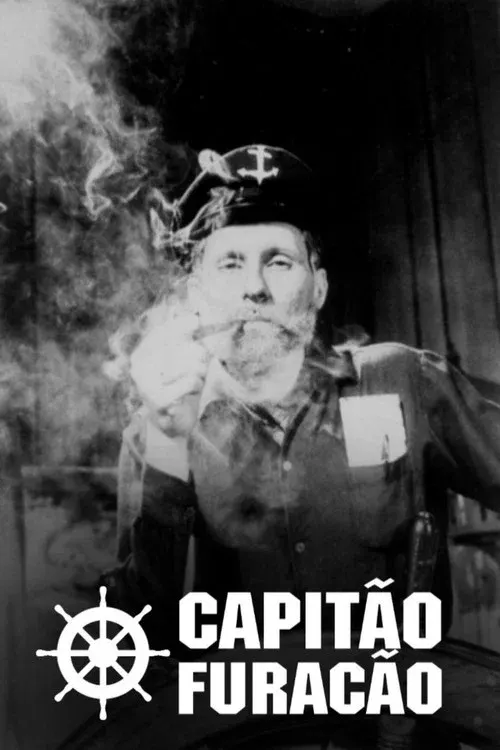
"Capitão Furacão" premiered on TV Globo's launch day, April 26, 1965, with the motto "Always alert and obedient!" The children's program was hosted by Pietro Mario (Capitão Furacão). In the second year, actress Elizangela began co-hosting alongside him, becoming his loyal assistant. Capitão Furacão was always surrounded by children; while spinning his ship's helm, he would read letters sent by viewers, organize games and contests, tell stories about the sea, offer advice to aspiring sailors, and present short films and cartoons.
Follow a connection
What to watch after Capitão Furacão
A series shortlist from the cached Film Atlas engine. The interactive map may include more titles or newer results. These are similarity matches, not a guarantee of age suitability.
'Esporte Espetacular' is Globo's oldest sports program on air. It debuted with the aim of opening up space on television for different sports, at a time when football predominated in the news. With a light and dynamic format, the attraction follows the stories of the athletes, behind the scenes, best moments and world records achieved in different competitions.
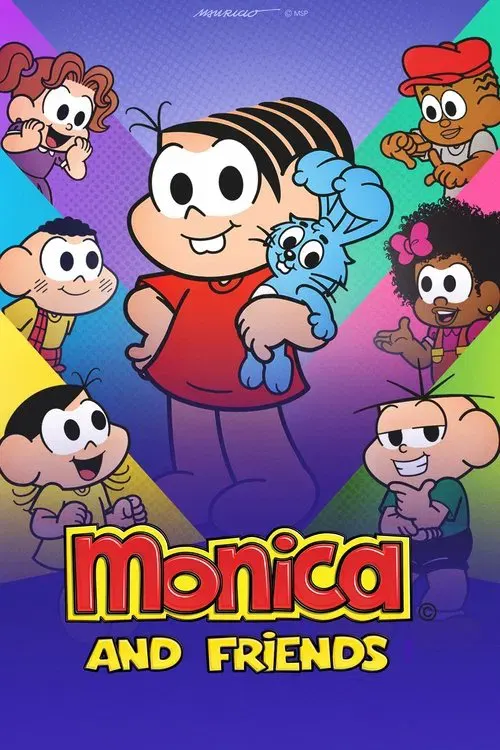
Monica, the leader of the crew and 'ruler of the street,' is a little girl with a strong personality, not one to overlook any insult. She absolutely loves her stuffed bunny, Samson, and takes him with her everywhere. Jimmy Five, one of her best friends, is a smart kid, but he's always provoking her. Maggy is Monica's best friend and a super cute girl, who is always eating watermelons. To complete the show's main quartet, enter Smudge, a skillful boy who is terrified of water.
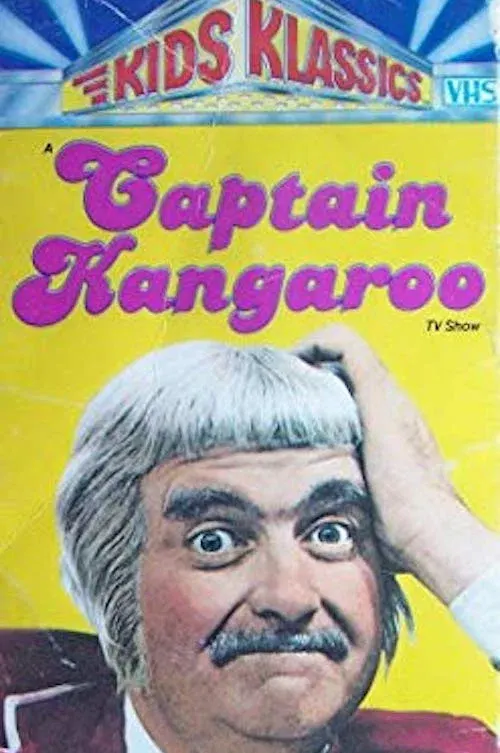
Captain Kangaroo was an American children's television series which aired weekday mornings on the American television network CBS for nearly 30 years, from October 3, 1955 until December 8, 1984, making it the longest-running nationally broadcast children's television program of its day. In 1986, the American Program Service integrated some newly produced segments into reruns of past episodes, distributing the newer version of the series until 1993.
The show was conceived and the title character played by Bob Keeshan, who based the show on "the warm relationship between grandparents and children." Keeshan had portrayed the original Clarabell the Clown on The Howdy Doody Show when it aired on NBC. Captain Kangaroo had a loose structure, built around life in the "Treasure House" where the Captain would tell stories, meet guests, and indulge in silly stunts with regular characters, both humans and puppets.
The show was telecast live to the East Coast and the Midwest for its first four years and broadcast on kinescope for the West Coast, as Keeshan would not perform the show live three times a day, and was in black-and-white until 1966. The May 17, 1971 episode saw two major changes on the show: The Treasure House was renovated and renamed "The Captain's Place" and the Captain replaced his navy blue coat with a red coat. In September 1981, CBS shortened the hour-long show to a half-hour, briefly retitled it Wake Up with the Captain, and moved it to an earlier time slot; it was later moved to weekends in September 1982, and returned to an hour-long format. It was canceled by CBS at the end of 1984.
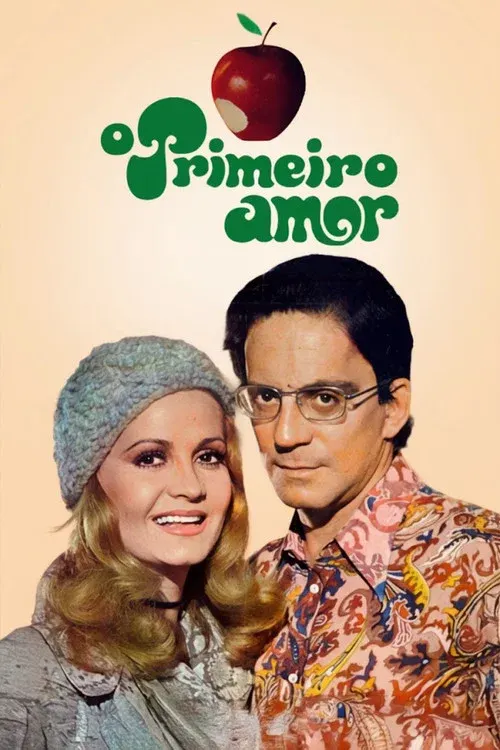
Professor Luciano Lima arrives in the fictional town of Nova Esperança to take over as principal of a school. A widower, he hires a governess to take care of his four children: Júnior, Babi, Zizi, and Rui. The professor and the governess, Paula, fall in love, but the romance faces strong resistance from the children, especially Babi, the most rebellious of the four. Luciano also encounters difficulties at the school. His former girlfriend, English teacher Maria do Carmo, does everything she can to steal his position as principal. Meanwhile, a group of maladjusted and rebellious students, led by the biker Rafa, disrupts the school environment and bothers the other students. In this scenario, Giovana, a young psychologist hired by Luciano to help him deal with the rebellious students, emerges. She ends up forming a love triangle with Paula and the professor.
Jornal da Globo is the late night news show broadcast by the Brazilian television channel Rede Globo. It doesn't have a fixed starting time, but usually airs at or after midnight.
Hosted by William Waack and Christiane Pelajo, it shows a detailed summary of the news of the day, highlighting matters such as Brazilian and world's economics and politics.
Jornal da Globo was originally launched in 1967 as Rede Globo's first newscast, hosted by Hilton Gomes and Luiz Jatobá. Its first incarnation ended in March 1969 just months before the launch of Jornal Nacional. Jornal da Globo was relaunched for a second time in 1979 and hosted by Sérgio Chapelin, ending again in 1981 before being relaunched for a third time in its current incarnation in 1982.
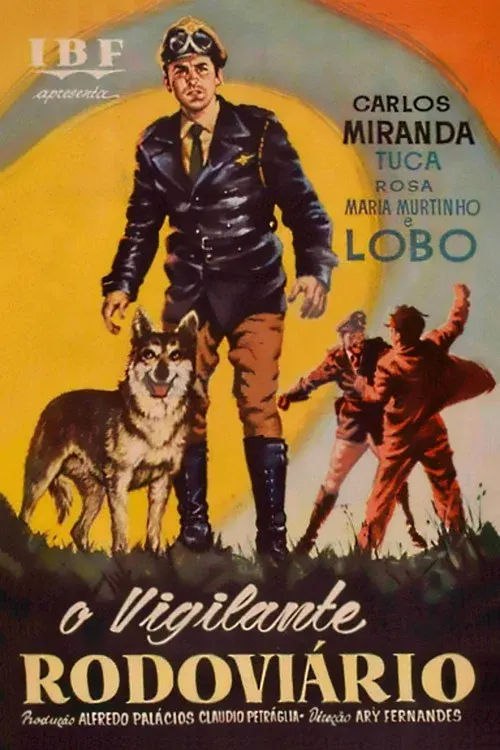
Inspector Carlos and his loyal companion, the friendly dog Lobo, fight crime while patrolling Brazil's highways in a Simca Chambord or a powerful Harley Davidson motorcycle.
For over 60 years, Silvio Santos, a legend of Brazilian TV, entertained audiences every Sunday with games, jokes, interviews, and his famous “Who wants money?” catchphrase. After he stepped away, his daughter Patrícia Abravanel took over the show, continuing his legacy and keeping it a defining part of SBT and the influence of Senor Abravanel.
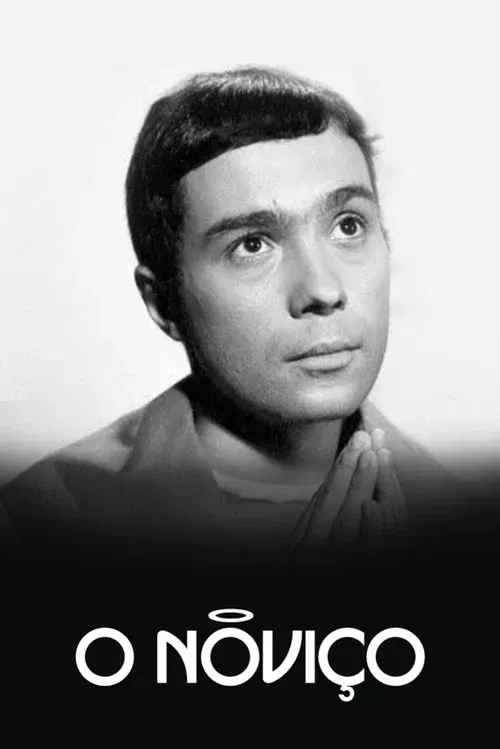
Eyeing the widow Florência’s inheritance, the con man Ambrósio courts her and sets out to remove her heirs from the picture. such as her foster nephew Carlos, whom he promptly sends off to a monastery. The widow’s two children, Juca and Emília, face the same threat. Carlos becomes a novice but, lacking any true calling, makes life miserable for the friars. He also courts Emília, whom he dreams of marrying. The novice repeatedly runs away from the monastery; during one of these escapes, he crosses paths with Flávio. an unscrupulous character who knows about Ambrósio’s history of fraud. and Rosa, the first woman to marry the opportunist and have her assets stolen. With Flávio and Rosa’s help, Carlos manages to expose Ambrósio.
A down-on-her-luck former inmate tries to reconnect with her daughter--to the objections of her sister who raised the girl, meets a millionaire, and transforms into a strong woman, returning to society at Dancin' Days nightclub's opening.
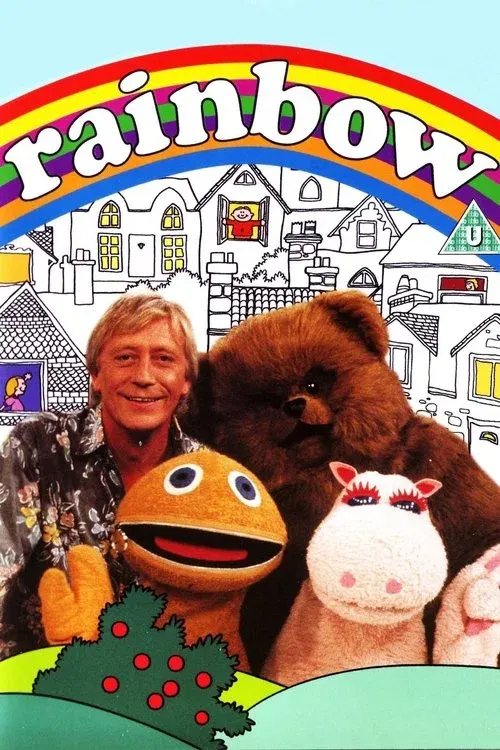
Children's puppet programme featuring music and stories. Join George, Bungle, Zippy, and all their friends at the Rainbow House, always an exciting place to be.
Film Atlas combines story similarity, series metadata and TMDB relationship signals. Shared networks can support a match; audience safeguards help avoid poor fits. The explanations above come from the engine’s recorded evidence—not invented reviews.
A similarity match is different from a quality rating. Use the map to explore the connections and decide what fits your mood.