When the space shuttle Challenger blew up in 1986, it was the most shocking event in the history of American spaceflight. The deaths of seven astronauts, including the first teacher in space Christa McAuliffe, were watched live on television by millions of viewers. But what was more shocking was that the cause of the disaster might never be uncovered. The Challenger is the story of how Richard Feynman, one of America's most famous scientists, helped to discover the cause of a tragedy that stunned America.
Directed byJames Hawes
Follow a connection
What to watch after The Challenger Disaster
A feature-film shortlist from the cached Film Atlas engine. The interactive map may include more titles or newer results. These are similarity matches, not a guarantee of age suitability.
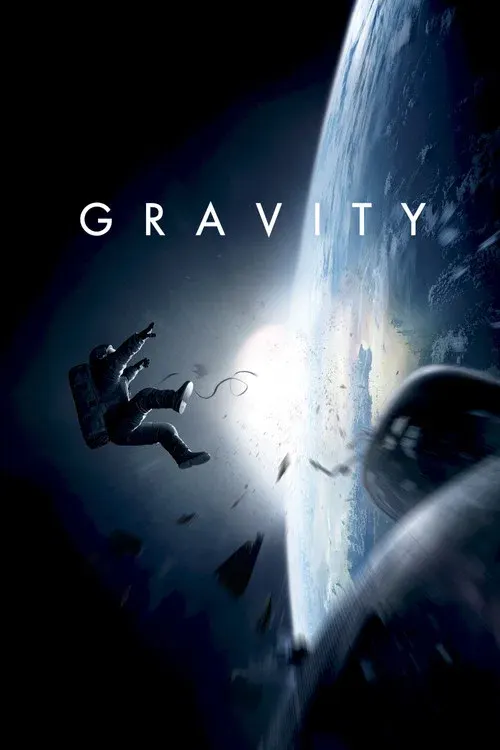
Dr Ryan Stone, an engineer on her first space mission, and Matt Kowalski, an astronaut on his final expedition, have to survive in space after they are hit by debris while spacewalking.
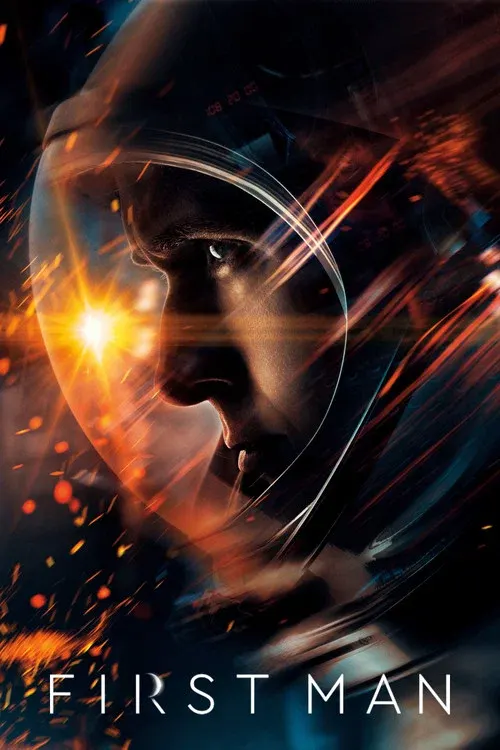
A look at the life of the astronaut, Neil Armstrong, and the legendary space mission that led him to become the first man to walk on the Moon on July 20, 1969.
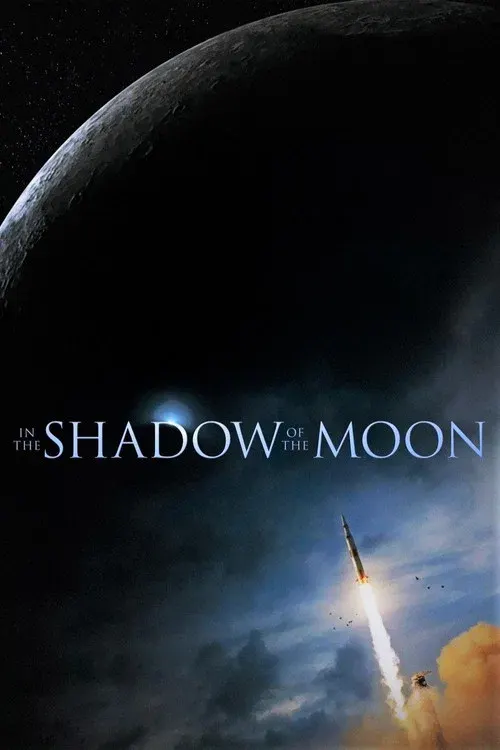
Archival material from the original NASA film footage – much of it seen for the first time – plus interviews with the surviving astronauts, including Jim Lovell, Dave Scott, John Young, Gene Cernan, Mike Collins, Buzz Aldrin, Alan Bean, Edgar Mitchell, Charlie Duke and Harrison Schmitt.
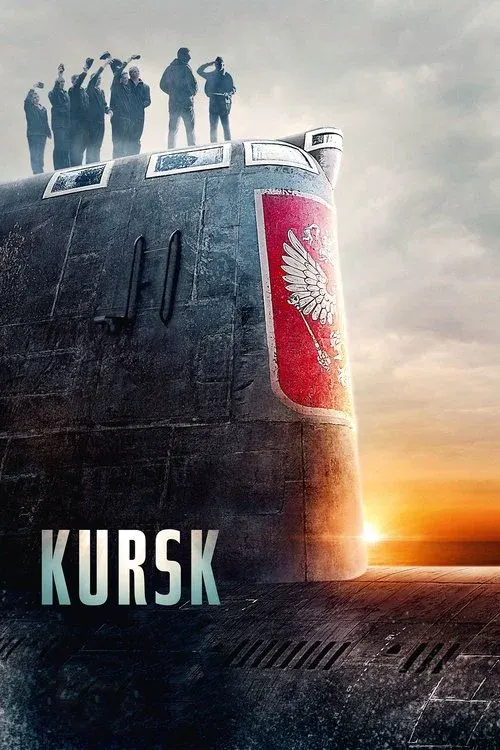
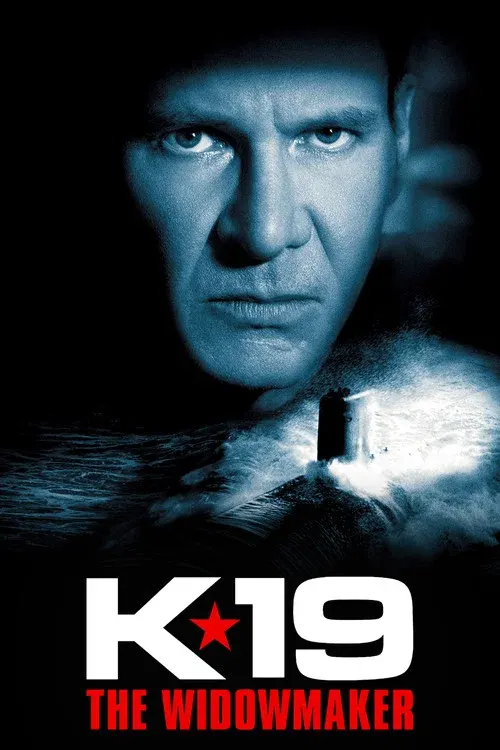
Barents Sea, August 12th, 2000. During a Russian naval exercise, and after suffering a serious accident, the K-141 Kursk submarine sinks with 118 crew members on board. While the few sailors who are still alive barely manage to survive, their families push for accurate information and a British officer struggles to obtain from the Russian government a permit to attempt a rescue before it is late. But general incompetence are against all their efforts.
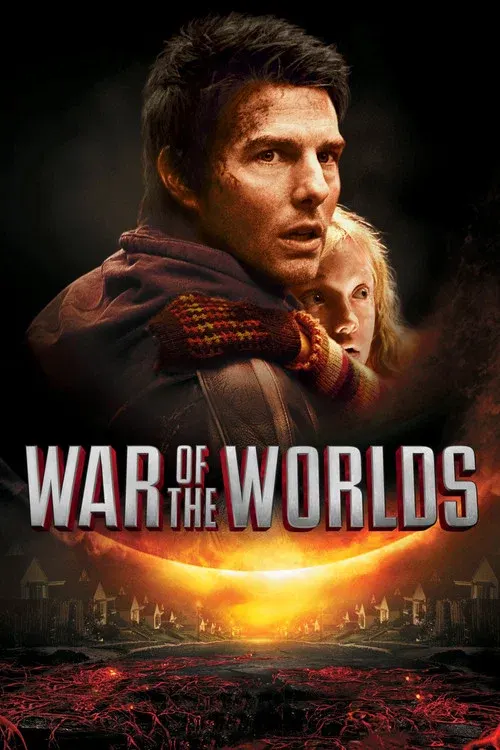
Ray Ferrier is a divorced dockworker and less-than-perfect father. Soon after his ex-wife and her new husband drop off his teenage son and young daughter for a rare weekend visit, a strange and powerful lightning storm touches down.
The 1960s was an extraordinary time for the United States. Unburdened by post-war reparations, Americans were preoccupied with other developments like NASA, the game-changing space programme that put Neil Armstrong on the moon. Yet it was astronauts like Eugene Cernan who paved the uneven, perilous path to lunar exploration. A test pilot who lived to court danger, he was recruited along with 14 other men in a secretive process that saw them become the closest of friends and adversaries. In this intensely competitive environment, Cernan was one of only three men who was sent twice to the moon, with his second trip also being NASA’s final lunar mission. As he looks back at what he loved and lost during the eight years in Houston, an incomparably eventful life emerges into view. Director Mark Craig crafts a quietly epic biography that combines the rare insight of the surviving former astronauts with archival footage and otherworldly moonscapes.
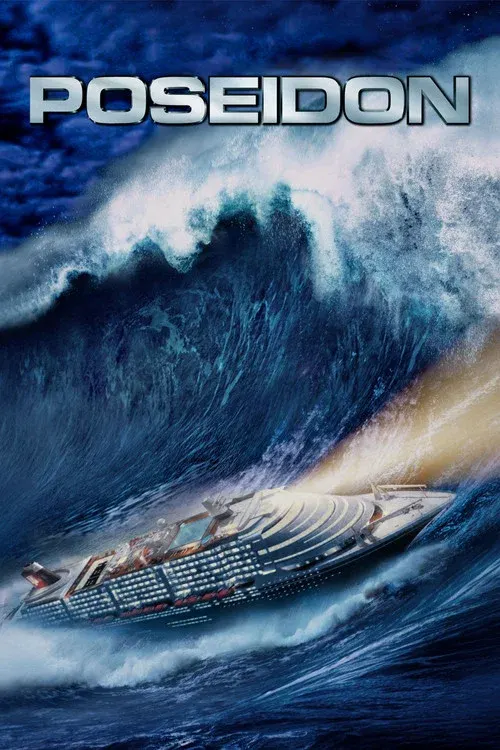
A packed cruise ship traveling the Atlantic is hit and overturned by a massive wave, compelling the passengers to begin a dramatic fight for their lives.
Film Atlas combines story similarity, movie metadata and TMDB relationship signals. Shared studios can support a match; audience and film-format safeguards help avoid poor fits. The explanations above come from the engine’s recorded evidence—not invented reviews.
A similarity match is different from a quality rating. Use the map to explore the connections and decide what fits your mood.