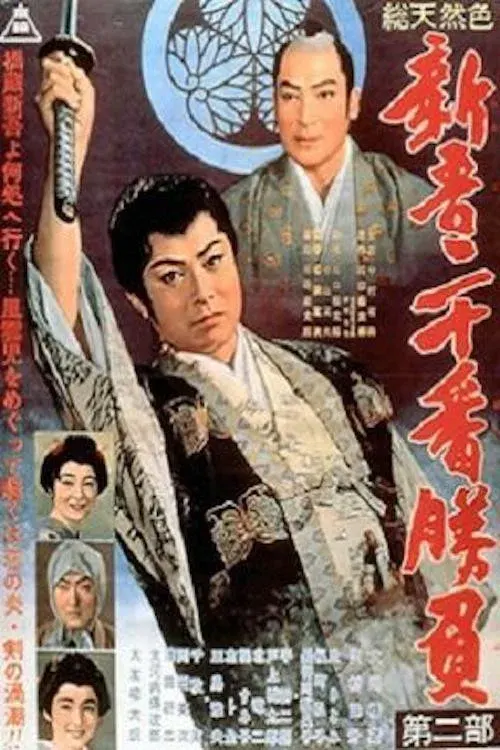
The second film in the 20 Duels of Young Shingo trilogy directed by Sadatsugu Matsuda.
Directed bySadatsugu Matsuda
Follow a connection
What to watch after 20 Duels of Young Shingo, Part 2
A feature-film shortlist from the cached Film Atlas engine. The interactive map may include more titles or newer results. These are similarity matches, not a guarantee of age suitability.
While on his journey through the countryside of Japan, Shingo encounters many people whose lives have been affected by his actions. Though the many duels he fought were intended to bring justice to those who sought to do evil, he is faced with the knowledge that his victories have also caused suffering amont the family members of his victims-leading him to question his life's philosophy. This superb film is the final chapter in this part of Shingo's story. A fitting tribute to his quest to be the supreme swordsman.
With plenty of action, and a strong story about the growth and development of an expert swordsman, who just happens to be from an extremely privileged background.
After Aoi Shingo, the illegitimate son of Shogun Yoshimune has gained prominence as the finest swordsman in the land, he tries to lead a peaceful life with his mother far away from the seat of government in Edo. Not wanting to inconvenience his father anymore his plan is to stay away from the city and enjoy life like a normal man. Unfortunately for him, his past comes back to haunt him in the person of his mortal enemy, the one swordsman that is skillful enough to defeat him. This is the most perilous moment of Shingo's life as he must face his deadliest foe in a battle to the death!
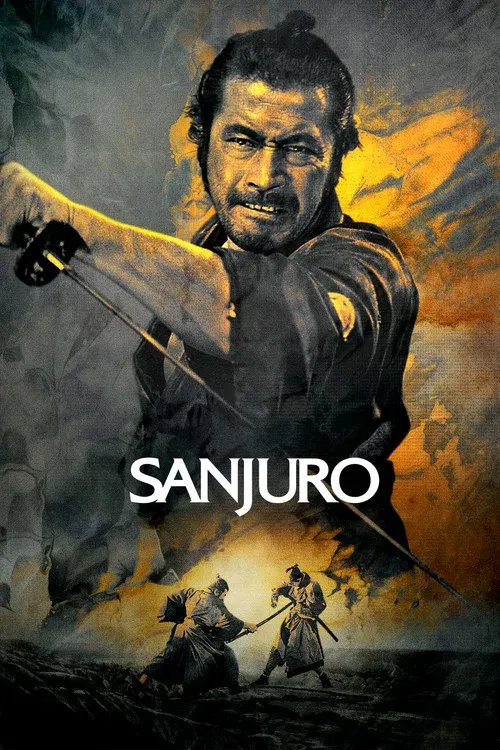
In this companion piece and sequel to "Yojimbo," jaded samurai Sanjuro helps an idealistic group of young warriors weed out their clan's evil influences, and in the process turns their image of a proper samurai on its ear.
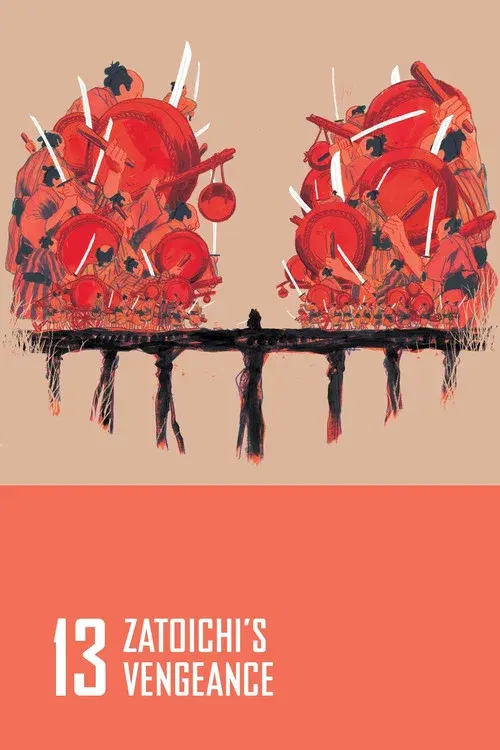
Zatoichi comes upon a dying man who asks him to give a bag of money to "Taichi". Zatoichi has no idea who this is but when he comes upon a small town harassed by gangsters, he finds that "Taichi" was the man's young son. Along his travels he also met a blind monk who makes Zatoichi question his murderous lifestyle. In trying to help the town, Zatoichi kills some gangsters and becomes a hero to the boy. He must make a choice of whether to use non-violence and set a good example, or violence and set the boy on the wrong path in life.
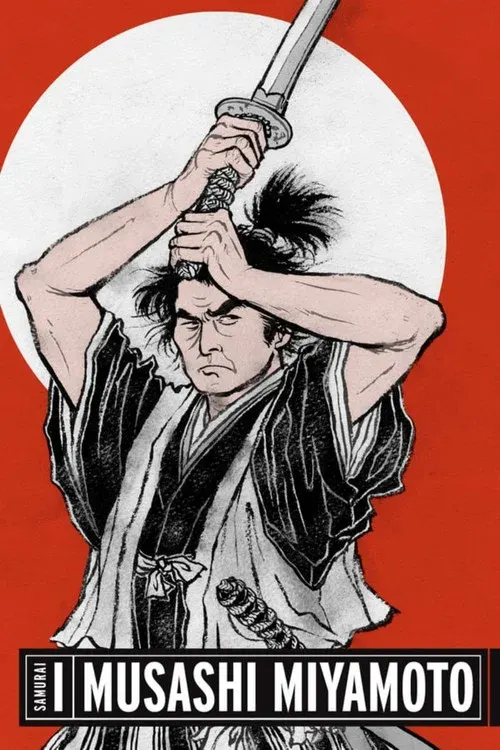
In Kyoto, a samurai named Boredom Otoko, Saotome Mondonosuke , appears and helps a woman being chased by a spy named Genshichi. Unfortunately, the woman is shot and killed. Later, Genshichi explains that the woman was a member of a band of thieves, and because she was let go once, the police officer, Genjuro Mazaki, was demoted to a desk job. Consumed by guilt, Boredom Otoko...
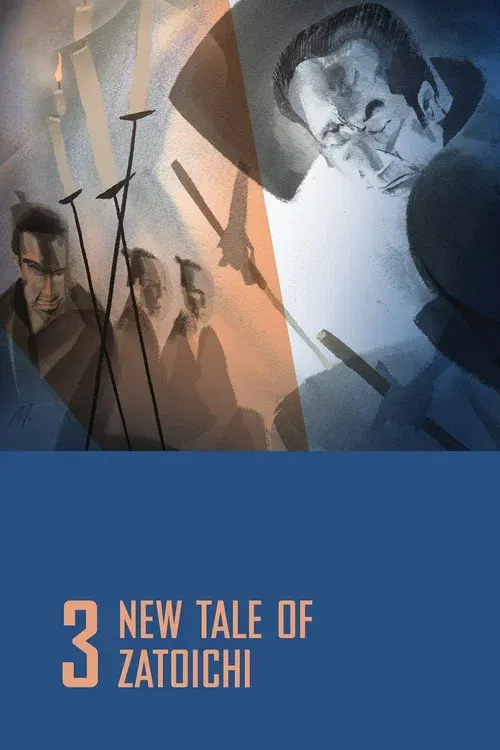
Wishing to find peace, Zatoichi travels to his old village but only finds trouble when he ends up in a love triangle and finds old scores have followed him home.
A nameless ronin, or samurai with no master, enters a small village in feudal Japan where two rival businessmen are struggling for control of the local gambling trade. Taking the name Sanjuro Kuwabatake, the ronin convinces both silk merchant Tazaemon and sake merchant Tokuemon to hire him as a personal bodyguard, then artfully sets in motion a full-scale gang war between the two ambitious and unscrupulous men.
Film Atlas combines story similarity, movie metadata and TMDB relationship signals. Shared studios can support a match; audience and film-format safeguards help avoid poor fits. The explanations above come from the engine’s recorded evidence—not invented reviews.
A similarity match is different from a quality rating. Use the map to explore the connections and decide what fits your mood.